Skip to content
No results
  • Topics
    • Browse All
    • African Americans
    • Arts
    • Chicago and the Midwest
    • Immigration and Migration
    • Literature
    • Native and Indigenous Americans
    • Politics and Government
    • US History
    • Women
    • World History
  • Dates
    • Browse All
    • 15th Century
    • 16th Century
    • 17th Century
    • 18th Century
    • 19th Century
    • 20th Century
  • Classroom Materials
    • Browse All
    • Activities
    • Collection Essays
    • Lesson Plans
    • Skills Lessons
    • Resources
  • Grade Level
    • Elementary School
    • Middle School
    • High School
    • College Prep
  • About


Join our Mailing List

Digital Collections for the Classroom
  • Topics
    • Browse All
    • African Americans
    • Arts
    • Chicago and the Midwest
    • Immigration and Migration
    • Literature
    • Native and Indigenous Americans
    • Politics and Government
    • US History
    • Women
    • World History
  • Dates
    • Browse All
    • 15th Century
    • 16th Century
    • 17th Century
    • 18th Century
    • 19th Century
    • 20th Century
  • Classroom Materials
    • Browse All
    • Activities
    • Collection Essays
    • Lesson Plans
    • Skills Lessons
    • Resources
  • Grade Level
    • Elementary School
    • Middle School
    • High School
    • College Prep
  • About
Digital Collections for the Classroom
  • 16th Century, Collection Essays

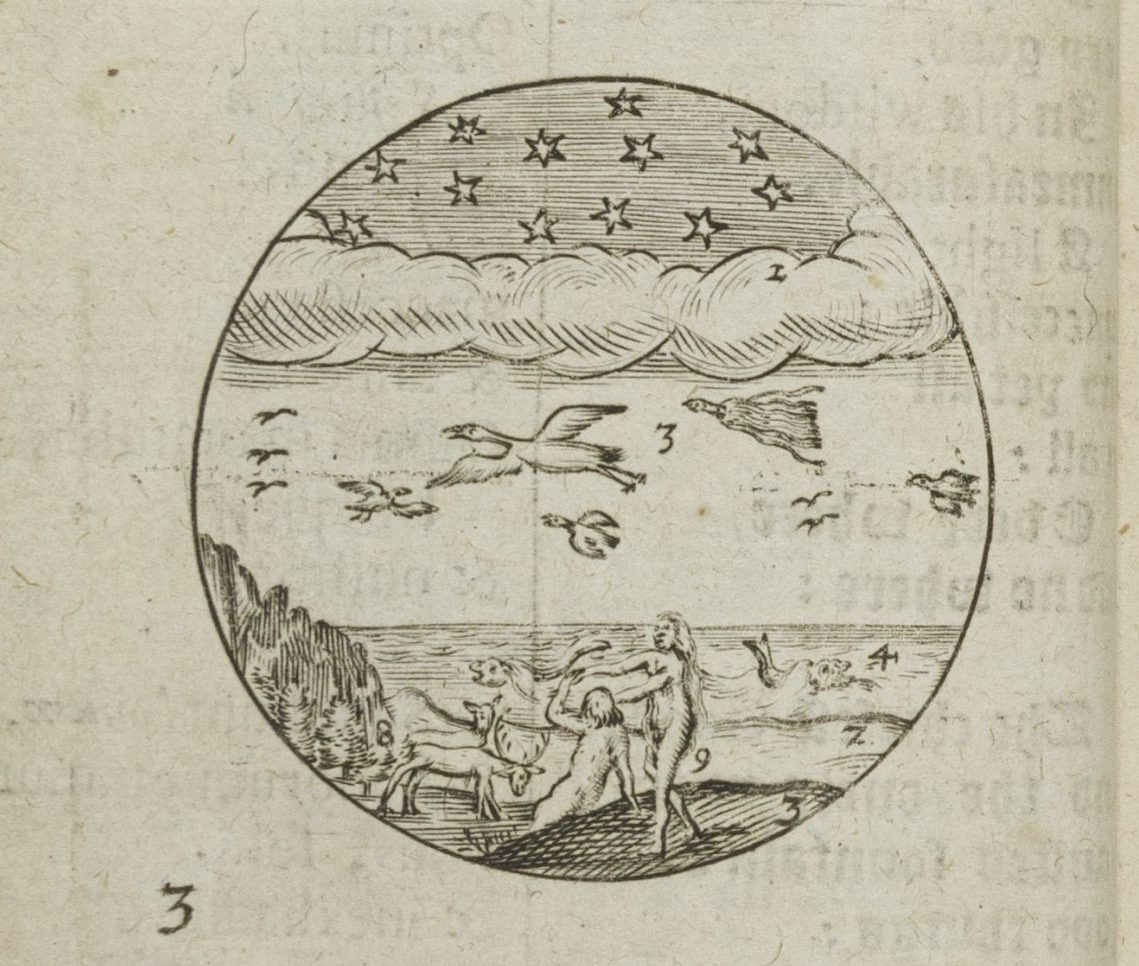
The World According to Comenius: Seen and Unseen in the Orbis Sensualium Pictus

Single page an early printed book. Text is in English and Latin in black in an 17th-century font (some "s"s written as "f"s). On the left-hand page is a circular woodblock print image showing the land with people (numbered 9), animals (8), fields (7), hills (5), and trees (8); the sea with fish (4) in it, the sky with birds (3) and a band of clouds (2); above the clouds is darker sky with stars (1). Abov the image is the title "Mundus" and below it the title "The World."
  • Evan Dutmer, Ph.D., Culver Academies
  • April 20, 2022
  • Classroom Materials, Resources

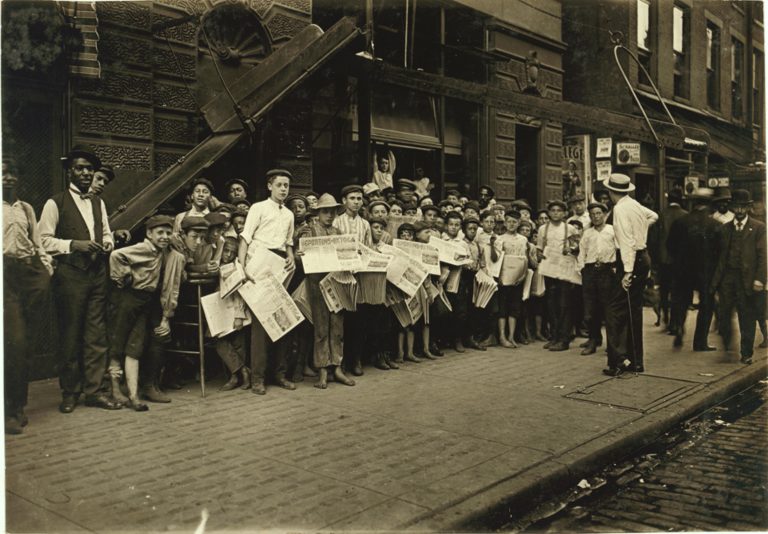
Historical Thinking in Elementary Classrooms

Black and white newsboys posing in front of a stone building holding stacks of newspapers.
  • Hilary Mac Austin and Kathleen Thompson
  • April 7, 2022
  • 19th Century, Classroom Materials, High School, Lesson Plans

Perspectives on the United States

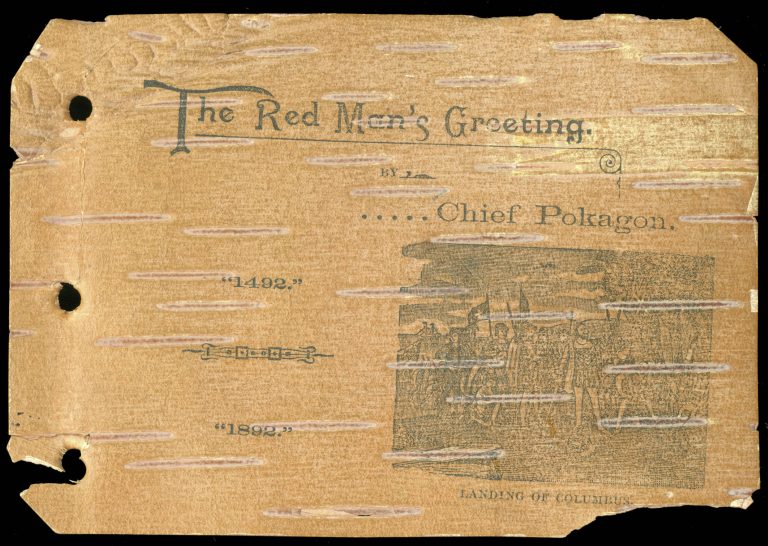
Title page of book printed on birch bark. Title readings "The Red Man's Greeting, 1492-1892 by Chief Pokagon." In the lower right corner is an image of a white man standing on a beach with many other white men behind him. They carry flags and crosses and are disembarking from a boat." The image is captioned "Landing of Columbus."
  • Hilary Mac Austin and Kathleen Thompson
  • April 6, 2022
  • 20th Century, Classroom Materials, High School, Lesson Plans, Middle School

Women’s Suffrage

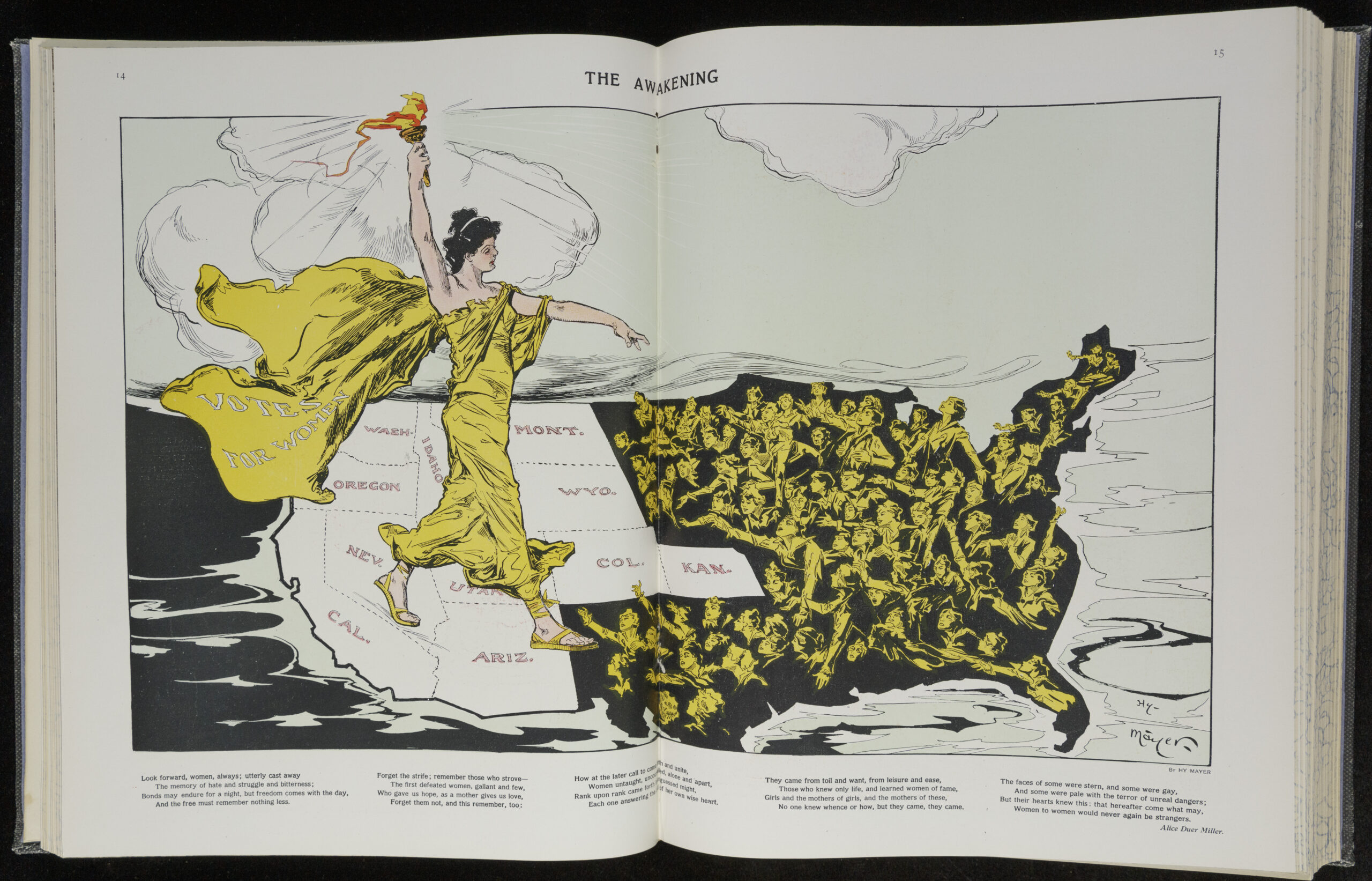
Illustration of a woman (Lady Liberty) sweeping across the United States west to east. The illustration suggests women’s suffrage extended gradually across the United States over decades before the 19th Amendment was ratified in August 1920.
  • Hilary Mac Austin and Kathleen Thompson
  • April 6, 2022
  • Classroom Materials, Resources

Seven Strategies for Teaching Primary Sources

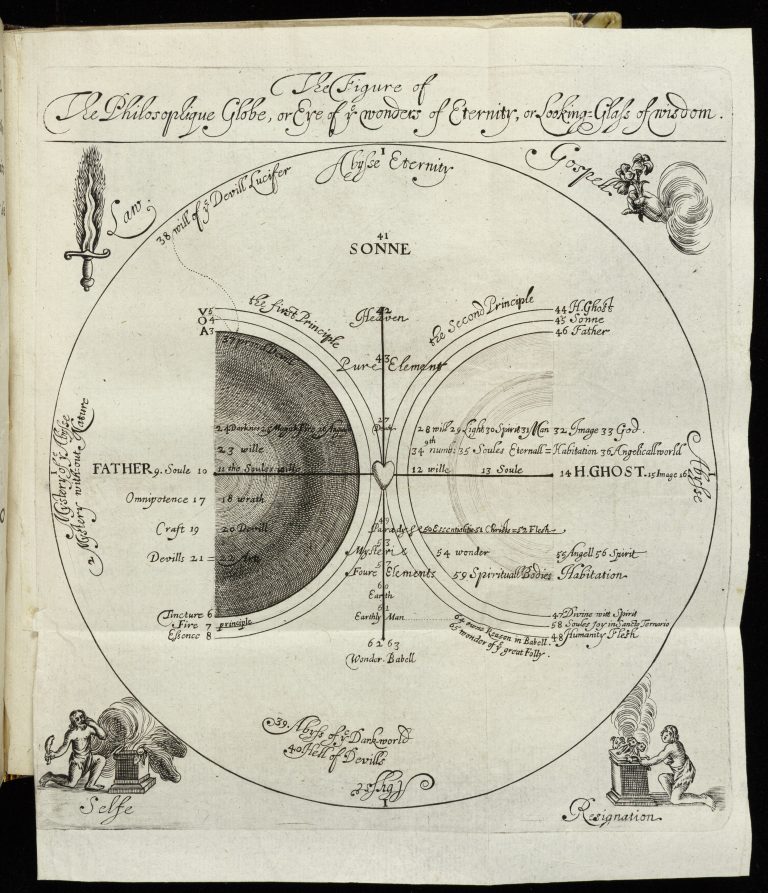
Partly hand-drawn, partly printed diagram of Böhme's image of the cosmology of the universe. The universe is represented through a large circle that takes up most of the page. Where the circle meets the four corners of the page are four key elements. Clockwise from the upper left, these are law (represented by a sword), Gospel (represented by a hand extending from a cloud and holding flowers), Resignation (represented by a man kneeling at an altar on which an offering is burning), and Self (represented by a man holding a quill pen and kneeling before an altar that is spewing clouds). Within the circle there is a XY axis with the human heart where the lines meet. Elements of the Christian Trinity are at the ends of three of the axes (the Father on left horizontal, the Son on the upright vertical, and the Holy Ghost on the right horizontal). Two large semicircles take up most of the plain. They mirror each other, both with their centers at the ends of the horizontal axes, and their edges running from the top of the vertical axis to the heart at the center of the axes to the bottom of the vertical axis. The left-hand semicircle is shaded. Within both are numerous numbered and labeled points representing various elements and aspects of the soul.
  • Hilary Mac Austin and Kathleen Thompson
  • April 5, 2022
  • Classroom Materials, Resources

Why Inquiry-Based Learning?

  • Hilary Mac Austin and Kathleen Thompson
  • April 5, 2022
  • 19th Century, Activities, Classroom Materials, Middle School

The Second Great Awakening

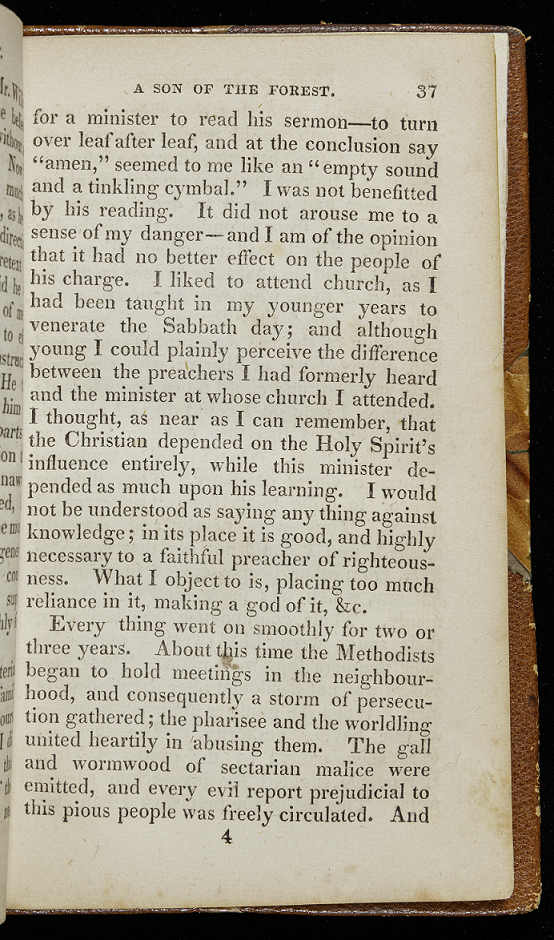
Right hand page of a printed book. Reads, "for a minister to read his sermon--to turn over leaf after leaf, and at the conclusion say 'amen,' seemed to me like an 'empty sound and a tinkling cymbal.' I was not benefitted by his reading. It did not arouse me to a sense of my danger--and I am of the opinion that it had no better effect on the people of his charge. I liked to attend church, as I had been taught in my younger years to venerate the Sabbath day; and although young I could plainly perceive the difference between the preachers I had formerly heard and the minister at whose church I attended. I thought, as near as I can remember, that the Christian depended on the Holy Spirit's influence entirely, while this minister depended as much upon his learning. I would not be understood as saying any thing against knowledge; in its place it is good, and highly necessary to a faithful preacher of righteousness. What I object to is, placing too much reliance in it, making a god of it, &c. / Every thing went on smoothly for two or three years. About this time the Methodists began to hold meetings in the neighbourhood, and consequently a storm of persecution gathered; the pharisee and the worldling united heartily in abusing them. The gall and wormwood of sectarian malice were emitted, and every evil report prejudicial to this pious people was freely circulated. And"
  • Hilary Mac Austin and Kathleen Thompson
  • April 5, 2022
  • Classroom Materials, Elementary School, Middle School, Skills Lessons

Skills Lesson: Reading a Caption

  • Hilary Mac Austin and Kathleen Thompson
  • April 4, 2022
  • 19th Century, 20th Century, Classroom Materials, Elementary School, Skills Lessons

Skills Lesson: Types of Photographs

  • Hilary Mac Austin and Kathleen Thompson
  • April 4, 2022
  • Classroom Materials, Skills Lessons

Skills Lesson: Dating a Photograph

  • Hilary Mac Austin and Kathleen Thompson
  • April 4, 2022
  • 18th Century, Classroom Materials, Collection Essays, High School

Native Nations in an Age of Empire and Revolution: Glossary

  • Rachel Banke, PhD
  • March 23, 2022
  • 18th Century, Classroom Materials, High School, Lesson Plans

Native Nations in an Age of Empire and Revolution, 1750-1783: Assessments

  • Rachel Banke, PhD
  • March 23, 2022
Prev
1 2 3 4 5 6 7 8 … 14
Next

  • Teacher Programs Newberry Library
  • Join our Mailing List
  • (312) 943-9090 60 West Walton Street, Chicago
Except where otherwise noted, contextual content on this site is made available under a  Creative Commons Public Domain license.  Digitized images and other media from the Newberry's collections are made available for any lawful purpose, commercial or non-commercial, without licensing or permission fees to the library, subject to the following terms and conditions: Newberry Rights and Reproductions Policy.